
Cryptocurrency Basics: Understanding the Basics
In the world of cryptocurrency, two key concepts stand out as the foundation of its existence. At the heart of it all is the
mainnet — a decentralized transaction network that provides secure peer-to-peer payments and storage of value. Today, we’ll delve into the world of decentralized cryptocurrencies, exploring what makes them tick and how they differ from traditional centralized systems.
What is a mainnet?
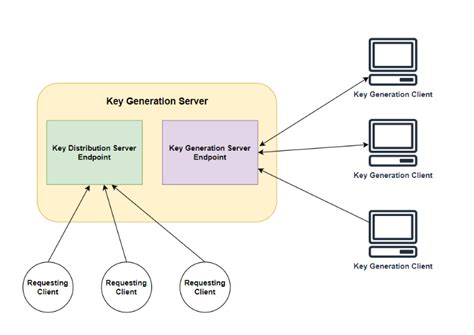
A mainnet is the primary public blockchain network where all cryptocurrency transactions are recorded and verified. It’s the foundation upon which other cryptocurrencies build their networks, providing a secure and transparent platform for the exchange of value. The mainnet serves as the hub for various decentralized cryptocurrencies, such as Bitcoin, Ethereum, and others.
Mainnets Key Features
Mainnets have several unique features that set them apart from traditional centralized systems:
- Decentralization: Mainnets are not controlled by any single authority or government, ensuring that transactions are secure and tamper-proof.
- Blockchain Structure: Mainnets use a blockchain-based architecture to record and verify transactions, thus providing efficient and transparent data storage.
- Consensus Mechanisms: Various consensus algorithms, such as Proof of Work (PoW) and Proof of Stake (PoS), allow network participants to validate transactions and ensure network security.
Private Key: The Digital Wallet
A cryptocurrency transaction is based on an essential component: the private key. A private key is a unique digital identifier assigned to each wallet or user and used to initiate and manage transactions on the blockchain.
A private key serves as:
- Authentication: Verifies the identity of the sender and recipient.
- Authorization: Grants access to funds after verification.
- Encryption: Protects sensitive financial information from unauthorized parties.
How to work private keys
Private keys are generated using a cryptographic algorithm, ensuring that only those with the correct private key can access and interact with their corresponding wallets. Here’s an overview of how it works.
- Key generation: A secure random number generator generates a unique private key.
- Encryption: The private key is encrypted to prevent unauthorized access.
- Wallet creation: The user creates a digital wallet that stores the private key and its associated public key.
Private Key Security
While private keys are essential for cryptocurrency transactions, security remains a top priority:
- Password Protection
: Users should protect their private keys using strong passwords or biometric authentication methods.
- Key Management: Users should regularly update and monitor their private keys to prevent unauthorized access.
- Two-Factor Authentication: Using additional verification steps, such as authenticator apps or SMS codes, can improve security.
Conclusion
In the world of cryptocurrency, decentralized networks such as mainnets and private keys play a critical role in facilitating secure transactions and the exchange of value. By understanding these basic concepts, users can better navigate the complex cryptocurrency landscape and ensure their safety online. As the space continues to evolve, it is important to stay informed about the latest developments and best practices for maintaining private key security.